
The Influence of Risk and Reward
The psychology of choice in casino games is deeply rooted in the concepts of risk and reward. Players are often drawn to games that present the potential for high rewards, despite the inherent risks involved. For instance, many enthusiasts seek out reliable betting sites to maximize their chances of winning. This thrill-seeking behavior can be attributed to the dopamine release associated with winning, which creates a positive feedback loop that encourages further play. Thus, understanding these dynamics can help both casinos in shaping their offerings and players in making informed choices.
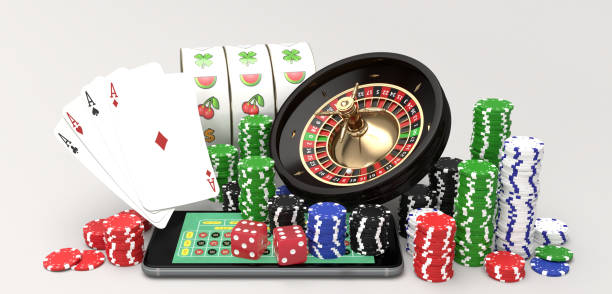
Additionally, the perception of risk can vary significantly among players. Some may prefer the safer, lower-stakes games such as blackjack, while others are enticed by the unpredictability of slot machines. Personal experiences, risk tolerance, and even cultural backgrounds can profoundly influence an individual’s choices at the casino. These factors highlight the complexity of player behaviors and underscore the importance of psychological elements in gaming environments.
The Role of Social Interaction
Social interaction is another critical aspect that influences casino game choices. Many players are drawn to games that promote interaction, such as poker or live dealer games, where they can engage with others—be it through competitive play or casual conversation. This social component not only enhances the gaming experience but also fulfills a basic human need for connection and belonging.
Moreover, the atmosphere of a casino, filled with the sounds of cheers and laughter, can further entice players to choose sociable games. The shared experiences and camaraderie that develop among players can lead to a sense of loyalty towards particular games and casinos, highlighting the interplay between social behavior and gaming preferences.
The Impact of Branding and Game Design
Branding and game design play pivotal roles in shaping player choices at casinos. Well-designed games that feature captivating graphics, engaging storylines, and immersive sound effects can attract players and keep them coming back. Casinos invest significant resources in creating unique gaming experiences to differentiate themselves from competitors.
Furthermore, branding influences player perception and trust. Well-known brands that promise fair play or offer loyalty rewards can sway player preferences toward their games. Players often gravitate towards brands they recognize and trust, which speaks to the psychological comfort that familiarity can provide in decision-making processes.
The Effects of Emotion and Cognitive Biases
Emotion plays a significant role in gambling behaviors. Players often make choices based on their emotional states, which can lead to irrational decisions. For example, someone experiencing a winning streak may continue playing with increased risk, driven by the emotional high of winning. Conversely, a player who has just lost might chase losses, often leading to poor decision-making.
Additionally, cognitive biases, such as the gambler’s fallacy, can significantly influence player behavior. This fallacy leads individuals to believe that past outcomes affect future results in random games, prompting them to make choices based on misconceptions rather than rational analysis. Understanding these emotional and cognitive factors is crucial for both players and casinos in navigating the gaming landscape.

Conclusion: Navigating Player Choices at Casinos
In the intricate world of casino gaming, understanding the psychological underpinnings of player behavior can enhance the overall experience for both players and operators. By recognizing how risk perception, social interaction, branding, emotional influences, and cognitive biases shape choices, stakeholders can better cater to the diverse needs of players.
As you explore the thrilling realm of casino games, consider how these psychological aspects influence your choices and strategies. Engaging with the right resources can further enhance your understanding and enjoyment of this dynamic industry, helping you make informed decisions that lead to a more fulfilling gaming experience.