
Understanding the psychology behind your gambling habits
The Allure of Gambling
The allure of gambling can be attributed to a combination of excitement, risk, and potential rewards. This intoxicating mix triggers a rush of adrenaline, compelling players to engage repeatedly. Many are drawn to the thrill of uncertainty, where every spin of the slot or roll of the dice holds the promise of significant financial gain. As players explore various options, they might discover that grizzlycasino-canada.com offers a wide selection of games, enhancing their experience. This psychological phenomenon is often reinforced by societal perceptions that frame gambling as a potential path to wealth and success.
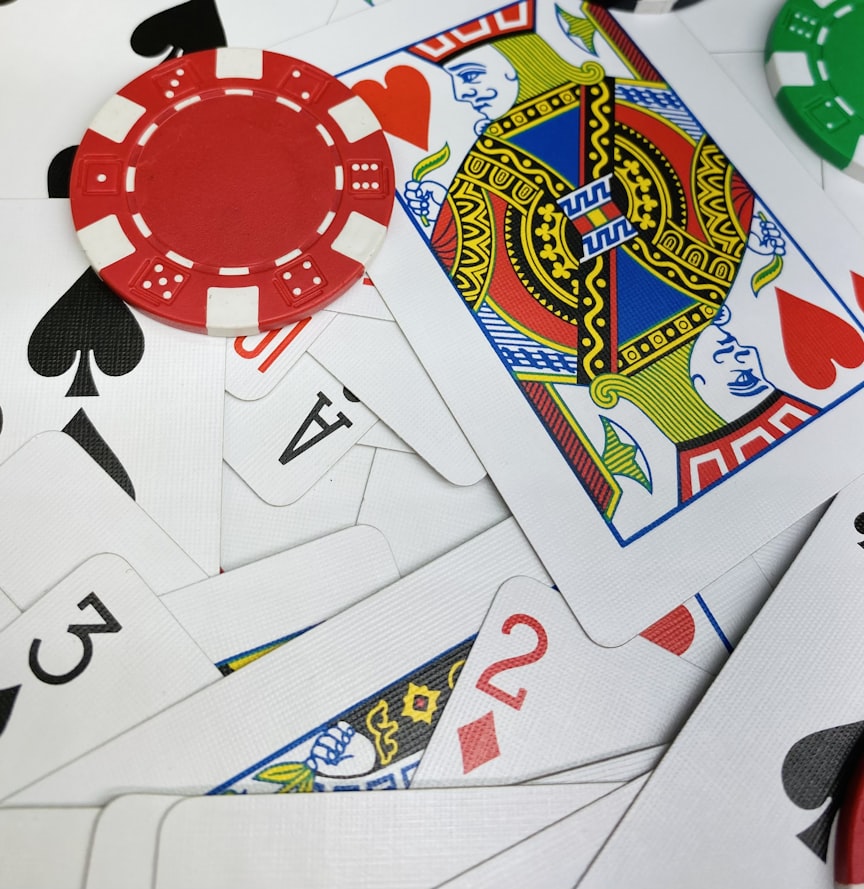
Furthermore, gambling venues are designed to create an immersive experience, often employing bright lights, enticing sounds, and the buzz of excitement to keep players engaged. This sensory overload not only heightens the emotional stakes but also distracts from rational decision-making. The environment is meticulously crafted to enhance the experience, creating a psychological state where players may lose track of time and their gambling habits spiral into compulsive behavior.
The excitement of potentially winning often overshadows the losses, leading to an ongoing cycle of hope and despair. This cycle can become addictive as players chase their losses, convinced that a win is just around the corner. Understanding this allure is essential for anyone who wants to gain insight into their gambling habits, particularly when seeking to establish healthier boundaries.
The Role of Cognitive Biases
Cognitive biases significantly influence gambling behavior, often leading individuals to make irrational decisions. One common bias is the illusion of control, where players believe they can influence the outcome of games that are predominantly chance-based, such as slots or roulette. This belief can lead to overconfidence, causing players to wager more than they should based on the unfounded assumption that their decisions will impact results.
Another prevalent bias is the gambler’s fallacy, where players mistakenly think that past outcomes will affect future results. For example, if a particular number has not appeared in a roulette game, a player might believe it’s “due” to show up. Such misconceptions can drive people to make poor betting decisions and lead to substantial financial losses. Recognizing these biases is crucial for identifying patterns that may contribute to unhealthy gambling habits.
Additionally, the tendency to remember wins more vividly than losses skews perceptions of gambling success. This selective memory creates a false narrative where players feel they win more often than they do, reinforcing the desire to continue playing. Acknowledging these cognitive biases can provide valuable insights for those looking to assess and potentially alter their gambling behaviors.
The Impact of Emotions on Gambling
Emotions play a central role in gambling, influencing both decision-making and behavior. Feelings of excitement and euphoria can lead to impulsive betting, while negative emotions such as stress or anxiety may drive individuals to gamble as a form of escape. This emotional connection can create a cycle where gambling becomes both a source of comfort and a trigger for further emotional distress.
Moreover, the aftermath of gambling can elicit a wide range of emotions. Winning can lead to euphoric highs, while losses may result in regret, shame, and frustration. These emotional peaks and troughs can exacerbate existing psychological issues or even contribute to new ones, such as anxiety disorders or depression. Understanding this emotional landscape is vital for recognizing how feelings can influence gambling habits and overall well-being.
The use of gambling as a coping mechanism is particularly concerning. Many individuals may turn to gambling to alleviate boredom, loneliness, or other negative feelings, which can lead to an unhealthy reliance on betting as a way to manage their emotional states. Developing healthier coping strategies is essential for those who find themselves in this cycle, as it can help mitigate the emotional rollercoaster associated with gambling.
Social Influences on Gambling Behavior
Social factors significantly shape gambling habits, with peer influence playing a crucial role in the decisions individuals make. Many people are introduced to gambling through friends or family, creating a social environment that normalizes and encourages the behavior. This social acceptance can lead to increased frequency and intensity of gambling, as individuals often feel pressured to conform to the behaviors of their peers.
Additionally, the rise of online gambling communities has created new social dynamics. Players can now engage with others virtually, sharing experiences, strategies, and even boasting about wins. These online interactions can reinforce gambling behavior, as the shared excitement and camaraderie can make gambling feel like a communal activity rather than an individual choice.
Furthermore, societal attitudes toward gambling can either encourage or discourage participation. In regions where gambling is seen as a popular pastime, individuals may be more likely to partake without considering the potential risks. Understanding the social influences at play can help individuals identify external factors that contribute to their gambling habits and make more informed choices.

Exploring Responsible Gambling at Grizzly Casino
Grizzly Casino is dedicated to promoting responsible gambling, recognizing the importance of understanding the psychology behind betting habits. With a range of resources available, players can access information on responsible gaming, helping them stay aware of their habits and make informed decisions. This commitment to player safety encourages a healthy relationship with gambling, focusing on entertainment rather than a financial escape.
The platform not only offers an extensive library of games but also emphasizes the importance of setting limits. Players can take advantage of features such as deposit limits, time-out periods, and self-exclusion options, ensuring they can enjoy the gaming experience without falling into harmful patterns. By fostering an environment that prioritizes player well-being, Grizzly Casino aims to create a space where responsible gambling is the norm.
In conclusion, understanding the psychology behind gambling habits is essential for maintaining a healthy approach to betting. With resources like those offered at Grizzly Casino, players can engage in a fulfilling gaming experience while staying mindful of their choices. The journey toward responsible gambling starts with awareness, and platforms that prioritize player safety play a vital role in that journey.