
The Psychological Appeal of Casino Games
Casino games are designed to captivate players, leveraging psychological triggers that create excitement and anticipation. The thrill of chance, combined with the potential for significant rewards, activates the brain’s pleasure centers, making players more likely to engage. Colors, sounds, and themes contribute to this immersive experience, enhancing the allure of the games and encouraging prolonged play. For instance, many players look for casino sites not on gamstop to explore new games, further diversifying their experiences.
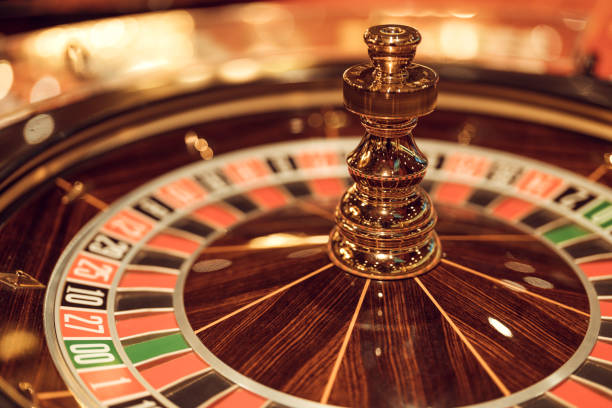
Moreover, the random nature of these games fosters a sense of unpredictability. This uncertainty keeps players coming back for more, as each spin, hand, or roll is a new opportunity for victory. The psychology of hope plays a crucial role; players often believe that winning is just one game away, leading to a cycle of continuous engagement in search of that elusive jackpot.
The Role of Strategy in Player Decision-Making
Strategy in casino games can significantly influence how players make decisions. While games like slots are primarily luck-based, many table games such as poker or blackjack involve strategic thinking and skill. Players often analyze odds, evaluate risk, and employ various strategies to maximize their chances of winning, which can lead to a deeper sense of control over outcomes.
This sense of control can boost a player’s confidence and enhance their enjoyment of the game. When players feel that their decisions have a tangible impact on the results, they are more likely to approach the game with a strategic mindset, engaging more deeply and potentially leading to longer gaming sessions.
The Impact of Losses on Player Behavior
Losses can have a profound effect on player behavior in casino settings. The psychology of loss aversion suggests that the pain of losing is often more significant than the joy of winning. This can lead players to chase losses, hoping to recover what they’ve lost and often resulting in increased betting. The emotional rollercoaster of gambling can keep players in a state of heightened arousal, making it difficult for them to walk away.
Additionally, players might rationalize their losses, believing that they are due for a win. This mindset can create a dangerous cycle, where the desire to keep playing overshadows financial considerations and responsible gambling practices. Understanding this psychology is crucial for both players and casino operators in promoting safer gaming environments.
The Social Aspects of Casino Gaming
Casino games often serve as social activities, drawing players into communal experiences. The social dynamics experienced in these environments can greatly influence behavior. Whether it’s the excitement of shared wins or the camaraderie formed during gameplay, these interactions can enhance the overall gaming experience, making it more enjoyable and memorable.
Furthermore, the presence of other players can create social pressure to participate, which can affect individual decision-making. People might wager more or take risks they wouldn’t consider in a solitary setting, driven by the collective energy of the group. This social component adds another layer to the psychological complexity of casino gaming.

Addressing Responsible Gambling and Support Resources
Understanding the psychology behind casino games is essential for promoting responsible gambling practices. Awareness of the factors influencing player behavior can help individuals recognize the signs of problematic gambling. Many casinos and organizations provide resources and support systems for those struggling with gambling-related issues.
Programs that focus on education, self-exclusion options, and counseling services empower players to make informed decisions and seek help when needed. By fostering a culture of responsibility and support, the gambling industry can mitigate some of the psychological pitfalls that come with the excitement of casino games.